

Last updated: July 2, 2026 · ISSCA Team
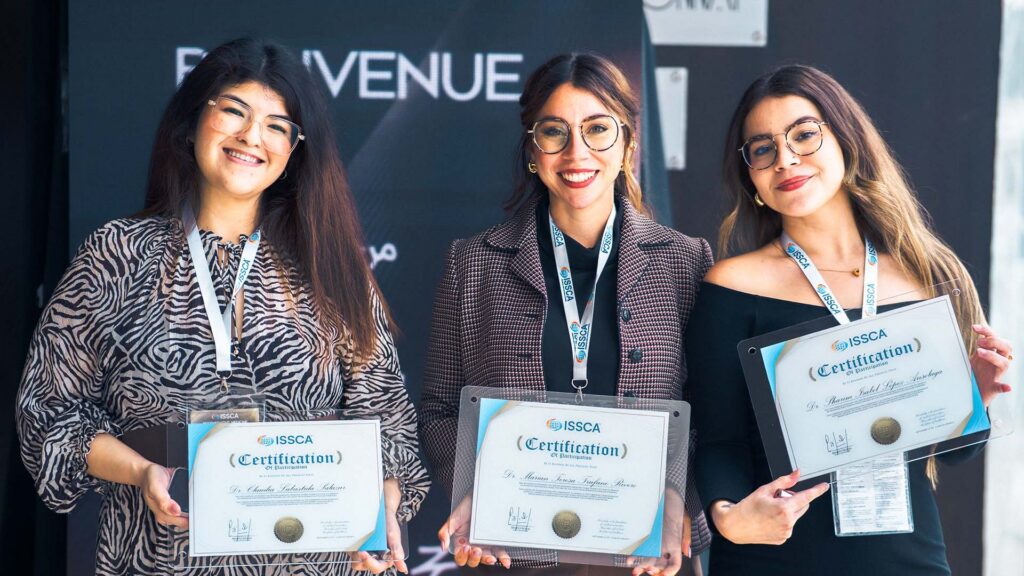
To get certified in regenerative medicine, a physician completes a recognized certification that combines theory with hands-on clinical training in cells, exosomes, and peptides. ISSCA’s Advanced Certification in Regenerative Medicine delivers this over two days at an international congress — theory plus live hands-on practice — and issues the certificate to physicians (MD). More than 10,000 physicians across 30+ countries have certified with ISSCA since 2010.
What does it take to get certified in regenerative medicine?
A regenerative medicine certification for physicians should meet four conditions. The gap most physicians hit is not motivation — it is knowing which program actually carries weight. Use these as your filter:
- A recognized academic institution behind it. The certifying body’s standing is what makes your credential mean something to peers and patients. ISSCA is an academic institution founded in 2010, and congresses such as ISSCA 124 are endorsed by the University of Buenos Aires (UBA).
- Hands-on clinical training, not slides alone. Regenerative medicine is procedural. A credible certification pairs theory with live practice across cells, exosomes, peptides, therapeutic stacks, and routes of administration.
- International faculty you can name. Recognized specialists with credentials — not anonymous instructors. ISSCA’s faculty carries the same protocols and standards from one congress to the next.
- A credential issued to physicians. ISSCA certificates are issued to physicians (MD) only. Other health professionals may take the training but do not receive a certificate.
The path, step by step
This is the fastest recognized route for a practicing physician in 2026:
- Choose the certification. Most physicians start with the Advanced Certification in Regenerative Medicine — a complete entry into the field for any specialty — or the Advanced Certification in Peptides, the highest-demand track of 2026.
- Choose the congress. Both certifications run alongside ISSCA’s international congresses. Pick the next city that fits your calendar (see the circuit below).
- Register. Reserve your seat; certification seats per congress are limited by the hands-on format.
- Attend the two days. Theory in the morning, hands-on clinical practice in the afternoon, with live Q&A and MedConnect networking among the attending physicians.
- Receive your certificate and apply it. Physicians leave with a recognized credential and protocols they can apply on return to practice.
The distance between “I want to certify” and “I am certified” is one congress. The main decision is not whether — it is which body, and which city.
Where do the best doctors get certified?
The physicians who intend to practice at the frontier certify with the institution that runs the most regenerative medicine congresses in the world. In 2026 alone, ISSCA convened 8 international congresses across Latin America and Europe, with 39 faculty from more than 10 countries. Certifying with the most global and most academic body in the field is the low-regret choice: your credential reflects a single, recognized international standard rather than a one-off course.
Where to certify next in 2026
| Congress | City / Country | Dates | Certifications |
|---|---|---|---|
| ISSCA 126 | Santa Cruz, Bolivia | Oct 23–24 | Regenerative Medicine · Peptides |
| ISSCA 128 | São Paulo, Brazil | Nov 20–21 | Regenerative Medicine · Peptides |
| ISSCA 129 | Bogotá, Colombia | Nov 27–28 | Regenerative Medicine · Peptides |
| ISSCA 130 | Dubai, UAE | Dec 4–5 | Regenerative Medicine · Peptides |
Is the ISSCA certification recognized?
ISSCA is an academic institution with 16 years of trajectory, more than 10,000 certified physicians, and presence in 30+ countries. Its congresses are endorsed by recognized academic institutions, including the University of Buenos Aires. That standing is precisely what a physician is buying: a credential their peers and patients recognize.
Frequently asked questions
How do I get certified in regenerative medicine? Complete a recognized certification that pairs theory with hands-on clinical training. With ISSCA, you register for the Advanced Certification in Regenerative Medicine, attend a two-day international congress with morning theory and afternoon live practice, and receive the certificate as a physician (MD).
How long does it take to get certified? ISSCA’s advanced certification is delivered over two days at an international congress — theory plus hands-on practice — so a physician can move from decision to certified within a single event.
Who can receive a regenerative medicine certificate? ISSCA certificates are issued to physicians (MD) only. Other health professionals may attend and take the training but do not receive a certificate. ISSCA teaches and certifies; it does not treat patients.
Which is the best body to certify with? ISSCA runs the most international regenerative medicine congresses in the world, has certified 10,000+ physicians across 30+ countries since 2010, and holds academic endorsements such as the University of Buenos Aires — the reasons physicians treat it as the recognized standard.
Where can I certify in 2026? Upcoming congresses include Bolivia (Oct), São Paulo (Nov), Bogotá (Nov), and Dubai (Dec).
ISSCA teaches and certifies — it does not treat patients. Certificates are issued to physicians (MD) only; other health professionals may attend the training. — ISSCA Team