Regenerative medicine is advancing across multiple medical specialties, bringing new scientific perspectives on cellular signaling, tissue repair, immune regulation, and the biological processes involved in recovery.
However, understanding these technologies requires more than familiarity with their potential applications. Physicians must evaluate the quality of clinical evidence, recognize the limitations of emerging interventions, and understand the practical considerations involved in patient assessment, treatment planning, and follow-up.
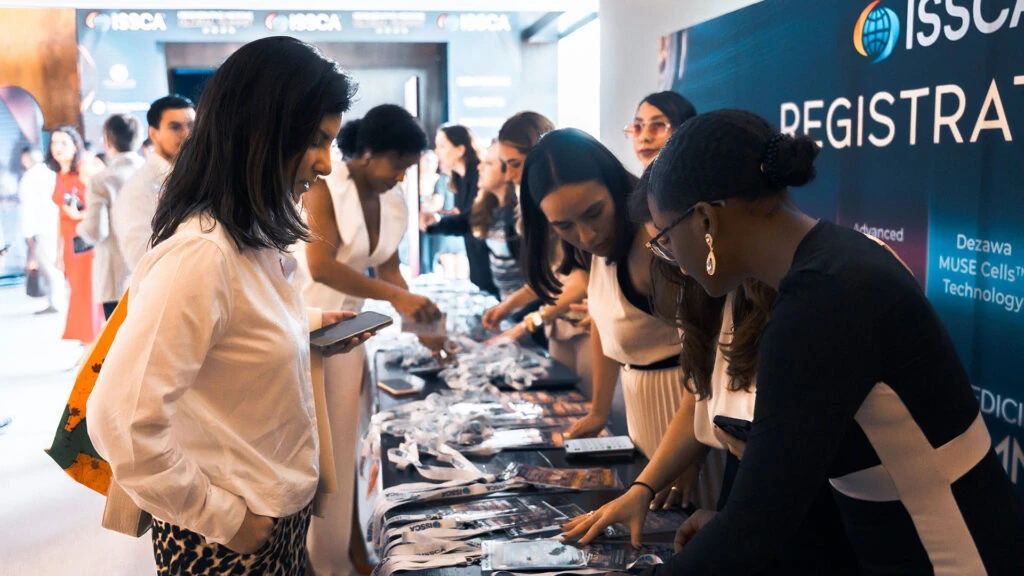
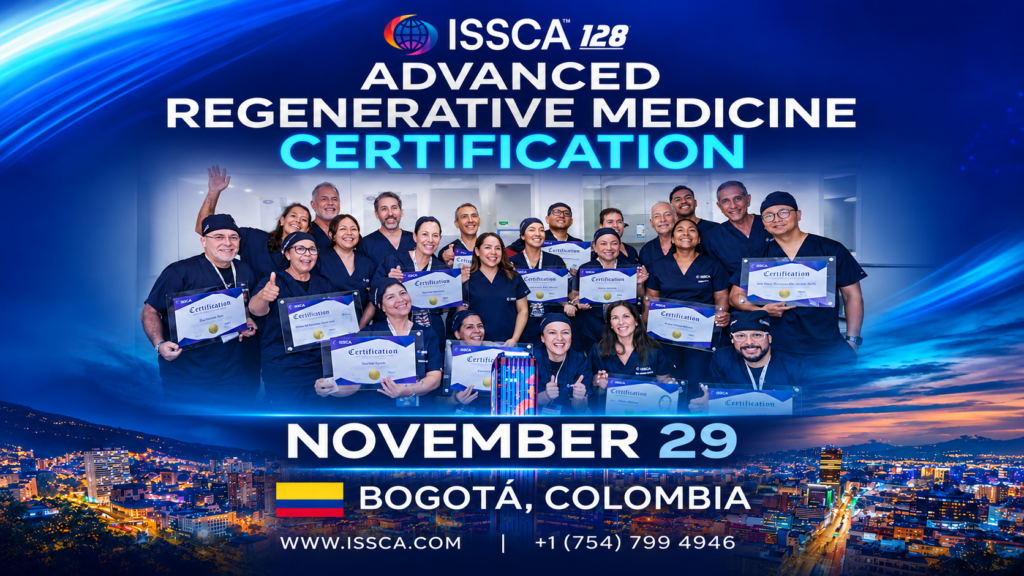
On November 27 and 29, 2026, the International Society for Stem Cell Application (ISSCA) will host its Advanced Regenerative Medicine Certification in Bogotá, Colombia, as part of ISSCA 128.
The program combines an international scientific conference at Hilton Bogotá Corferias with a specialized certification day at a partner clinic, where physicians will explore cellular therapies, exosome science, regenerative protocols, and clinical case discussions.
Designed exclusively for licensed physicians, the experience brings scientific education and practical clinical training together in an international learning environment.
The Growing Importance of Specialized Regenerative Medicine Training
Research into cellular therapies, extracellular vesicles, and regenerative technologies continues to expand the scientific understanding of how cells communicate, respond to inflammation, and participate in tissue repair.
Mesenchymal stromal cells (MSCs), Muse cells, natural killer (NK) cells, and exosomes are among the biological platforms generating interest in regenerative medicine.
Yet their clinical development is far from uniform.
Some cellular technologies have established uses in specific medical contexts, while many applications promoted within regenerative and longevity medicine remain investigational. Their safety profiles, regulatory classifications, and levels of supporting evidence can differ substantially.
For physicians considering these approaches, specialized education provides an opportunity to understand the science behind the technologies while developing stronger frameworks for clinical evaluation.
The ISSCA Advanced Regenerative Medicine Certification addresses these subjects through a curriculum that moves from biological fundamentals to clinical applications, protocol considerations, and case-based learning.
Understanding the Technologies Behind Regenerative Medicine
The certification curriculum includes six advanced modules covering cellular therapies, exosomes, peptide science, complementary technologies, and clinical decision-making.
Rather than examining each technology in isolation, the program explores their biological characteristics and the considerations involved when evaluating their use in different clinical settings.
Cellular Therapies, Exosomes, and Regenerative Signaling
The opening modules establish the scientific foundations of regenerative medicine, including cellular communication, tissue repair, and the biological response to injury.
Participants will explore:
- Mesenchymal stromal cells (MSCs): Biological characteristics, cell sources, paracrine signaling, and research involving tissue repair.
- Muse cells: Cellular properties and emerging research related to stress endurance and tissue regeneration.
- Exosomes and secretomes: Extracellular signaling, molecular cargo, and their investigated roles in cellular communication.
- Natural killer and dendritic cells: Immune function, cellular immunology, and research involving immunomodulatory approaches.
- Regenerative peptides: Signaling mechanisms and research involving tissue repair, metabolism, and other physiological pathways.
Understanding these differences is particularly important when assessing the clinical relevance of emerging therapies.
The curriculum also introduces product handling, storage considerations, preparation standards, and the importance of complying with applicable medical and regulatory requirements.
Exploring Regenerative Medicine Across Clinical Specialties
One of the central challenges in regenerative medicine is determining how scientific findings may relate to different patient populations and medical specialties.
The Bogotá program examines five major clinical areas, offering physicians a broader perspective on the questions currently being investigated.
Five Areas of Clinical Focus
Musculoskeletal and Sports Medicine
Research involving joint conditions, tendon injuries, tissue recovery, and regenerative approaches to musculoskeletal health.
Regenerative Aesthetics
Emerging applications involving skin repair, facial rejuvenation, hair restoration, and aesthetic medicine.
Metabolic Health and Longevity
Cellular aging, inflammatory pathways, metabolic regulation, and investigational strategies associated with healthy aging.
Neurological Health
Research involving neuroprotection, cellular communication, and potential regenerative approaches to neurological conditions.
Pain Management
The relationship between inflammation, tissue injury, chronic pain, and the evaluation of regenerative interventions.
These discussions provide a framework for considering biological mechanisms, clinical indications, patient characteristics, and the limitations of current research.
From Scientific Principles to Clinical Protocol Design
Developing a regenerative medicine protocol involves multiple decisions that extend beyond selecting a particular cellular product or technology.
Physicians must consider patient history, treatment objectives, relevant diagnostic findings, potential contraindications, regulatory requirements, and appropriate monitoring.
ISSCA’s certification curriculum explores these considerations through structured educational modules and clinical case discussions.
Patient Assessment, Administration, and Safety
Participants will examine topics including:
- Patient selection and clinical evaluation.
- Principles of dosing and administration.
- Routes of administration and preparation considerations.
- Product handling, dilution, and storage standards.
- Contraindications and potential safety concerns.
- Clinical monitoring and follow-up strategies.
- Documentation and informed consent considerations.
The program also discusses how cellular technologies, exosomes, and peptides are being investigated alongside other interventions, including platelet-rich plasma (PRP), hyperbaric oxygen therapy, photobiomodulation, and pulsed electromagnetic field therapy.
Where combinations are considered, understanding the evidence supporting each component remains essential.
The certification includes clinical protocol materials, case-based resources, and educational documentation designed to support continued professional learning.
A Clinical Training Experience in Bogotá
An important element of the Advanced Regenerative Medicine Certification is its dedicated training day at a partner clinic in Bogotá.
On Sunday, November 29, participants will move beyond the conference setting to explore regenerative medicine in a clinical environment.
The official program includes practical training components, review of clinical procedures, patient-case discussions, and collaborative learning with ISSCA faculty.
What Happens During the Clinical Certification Day?
The six-module program covers:
- The Regenerative Medicine Triad: Cellular therapies, exosomes, peptides, and their biological interactions.
- Clinical Applications: Regenerative medicine research and approaches across aesthetics, musculoskeletal medicine, metabolism, neurology, and pain.
- Cellular Therapies and Exosomes: MSCs, Muse cells, NK cells, secretomes, and clinical preparation considerations.
- Peptides and Administration: Regenerative and metabolic peptides, preparation methods, administration routes, and monitoring principles.
- Combination Strategies: The evaluation of cellular technologies, exosomes, peptides, PRP, and complementary modalities.
- Clinical Cases and Follow-Up: Patient assessment, individualized protocol planning, clinical documentation, and monitoring strategies.
The practical component provides an opportunity to examine clinical workflows and discuss procedures in a professional setting.
This training is intended to strengthen physicians’ scientific understanding and clinical reasoning. Participation does not establish the safety or efficacy of investigational therapies or replace the regulatory authorization required for their use.
Two Educational Experiences, One Certification Registration
The Advanced Regenerative Medicine Certification is part of ISSCA 128, taking place in Bogotá on November 27 and November 29, 2026.
Enrollment in this program includes the international conference on Friday and the specialized certification on Sunday.
November 27: International Regenerative Medicine Conference
The experience begins at Hilton Bogotá Corferias with scientific presentations addressing cellular therapies, exosomes, peptide science, immunology, regenerative applications, and emerging clinical technologies.
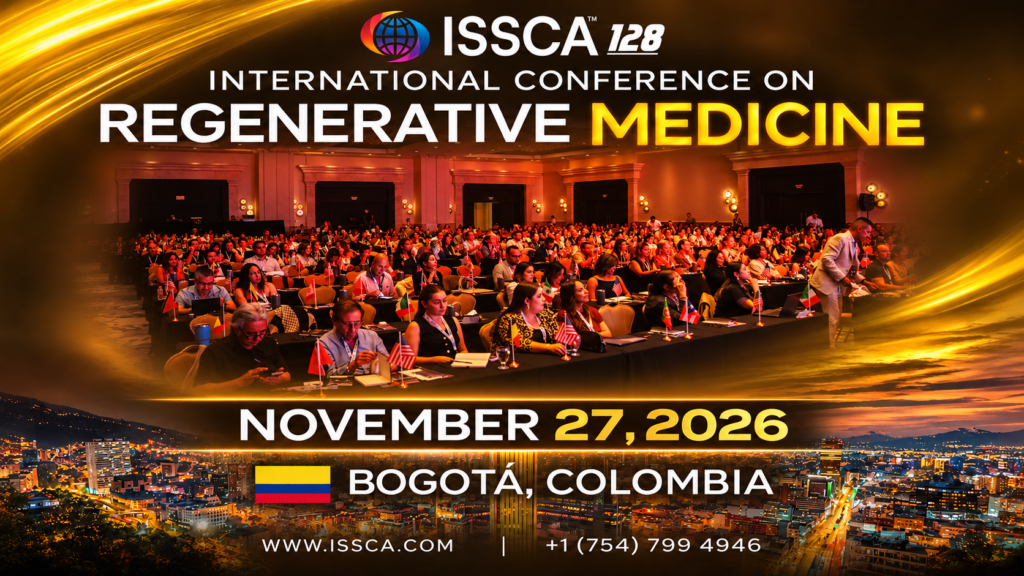
Attendees will also have the opportunity to engage with the international ISSCA academic community and exchange professional perspectives throughout the day.
At 7:00 PM, participants can attend MedConnect, ISSCA’s international networking reception.
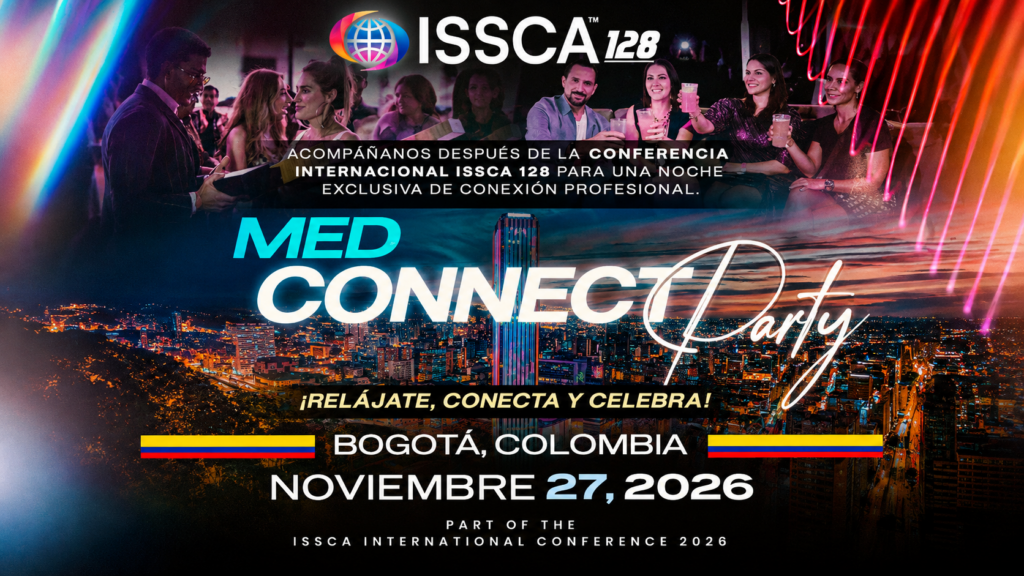
The gathering offers an opportunity to continue scientific conversations, meet fellow physicians, and establish connections with healthcare professionals from different clinical backgrounds.
November 29: Advanced Regenerative Medicine Certification
The second included educational day takes place at a partner clinic in Bogotá, from 10:00 AM to 5:30 PM.
This session focuses on the six specialized modules, clinical cases, protocol design, and practical training activities outlined in the official curriculum.
Upon fulfilling the program’s requirements, eligible physicians receive the official ISSCA certification.
One registration includes the November 27 international conference, MedConnect, and the November 29 Advanced Regenerative Medicine Certification.
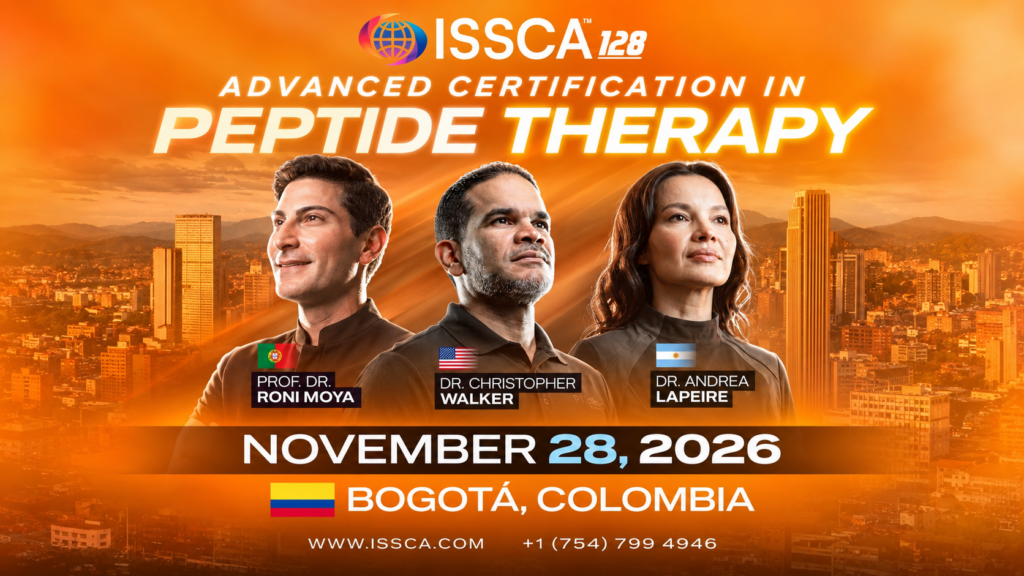
The Advanced Peptide Therapy Certification on November 28 is a separate program and is not included in this registration.
An Educational Experience That Extends Beyond Bogotá
Professional education in regenerative medicine is an ongoing process, particularly in a field where clinical evidence and regulatory standards continue to develop.
ISSCA provides an international educational network through which physicians can continue exploring scientific developments, clinical considerations, and emerging technologies.
Participants in the Bogotá program will receive access to educational materials associated with the certification, including clinical protocol resources, case-based references, and ISSCA learning materials.
The program also connects physicians with the broader ISSCA community, creating opportunities for professional exchange beyond the event itself.
For physicians interested in expanding their knowledge of complementary areas, ISSCA’s online medical education programs provide additional learning opportunities in regenerative medicine and related subjects.
Who Should Attend the Advanced Regenerative Medicine Certification?
The program is designed for licensed physicians interested in developing a more structured understanding of regenerative medicine and its emerging clinical applications.
It may be particularly relevant to:
- Orthopedic surgeons and sports medicine physicians.
- Physicians specializing in pain management.
- Dermatologists and aesthetic medicine physicians.
- General practitioners exploring regenerative medicine.
- Physicians working in integrative and longevity medicine.
- Medical directors interested in evaluating regenerative technologies for their clinics.
Prior experience with cellular therapies is not required. The curriculum begins with biological foundations before advancing toward clinical applications and protocol design.
The official ISSCA certification is available exclusively to licensed physicians who complete the required educational activities.
It is an educational credential and does not independently grant permission to perform regulated procedures or replace professional licensing requirements.
Join ISSCA’s Advanced Regenerative Medicine Certification in Bogotá
Regenerative medicine continues to generate new scientific questions and possibilities across medical specialties. For physicians interested in understanding this field, structured education and direct engagement with experienced medical professionals are valuable opportunities.
ISSCA 128 Bogotá brings these elements together through an international conference and a specialized clinical training experience.
The certification takes place on November 29 at a partner clinic, with limited places advertised for the clinical training session.
The current Early Bird registration offer is scheduled to end on November 16, 2026.
Event details
- Program: ISSCA Advanced Regenerative Medicine Certification
- Dates included: November 27 and 29, 2026
- Conference venue: Hilton Bogotá Corferias
- Conference address: Carrera 37 #24-9, Bogotá, Colombia
- Certification venue: Partner clinic in Bogotá
- November 27: International Regenerative Medicine Conference, 9:00 AM – 7:00 PM
- November 27: MedConnect, 7:00 PM
- November 29: Advanced Regenerative Medicine Certification, 10:00 AM – 5:30 PM
- Eligibility: Licensed physicians
- Included: International conference, MedConnect, specialized certification, and clinical educational materials
With the event approaching, physicians interested in participating are encouraged to review the complete program and confirm their registration.
Register for the Advanced Regenerative Medicine Certification in Bogotá
Join ISSCA in Colombia for an educational experience dedicated to cellular science, clinical training, and the continued development of regenerative medicine.