
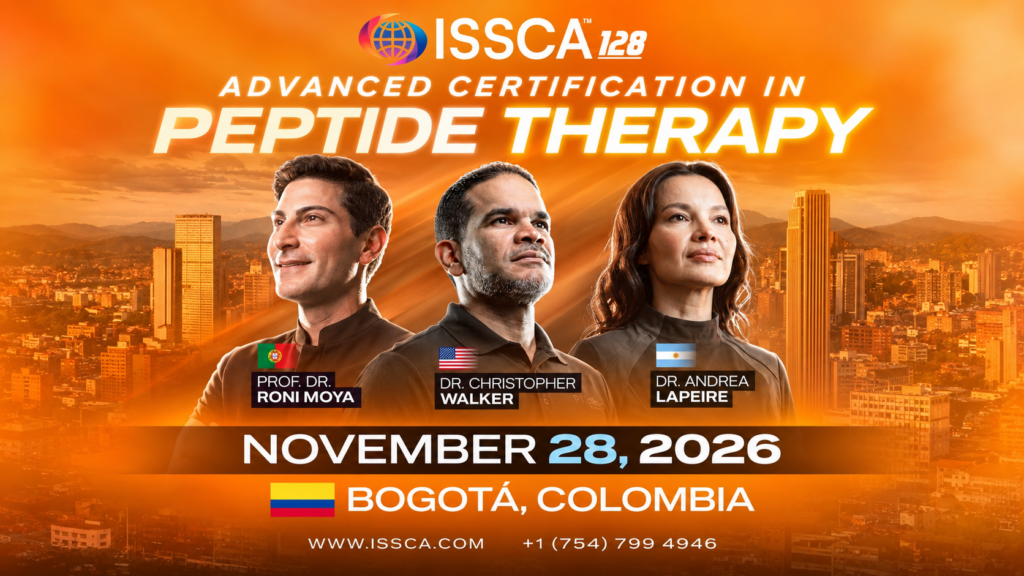
Peptide therapy is attracting growing attention across regenerative medicine, metabolic health, endocrinology, and longevity research. Yet as interest expands, physicians face an increasingly important challenge: understanding which applications have meaningful clinical evidence, how different peptides interact with biological systems, and where safety and regulatory considerations must guide medical decisions.
On November 27–28, 2026, the International Society for Stem Cell Application (ISSCA) will host its Advanced Peptide Therapy Certification in Bogotá, Colombia, as part of the ISSCA 128 international medical event.
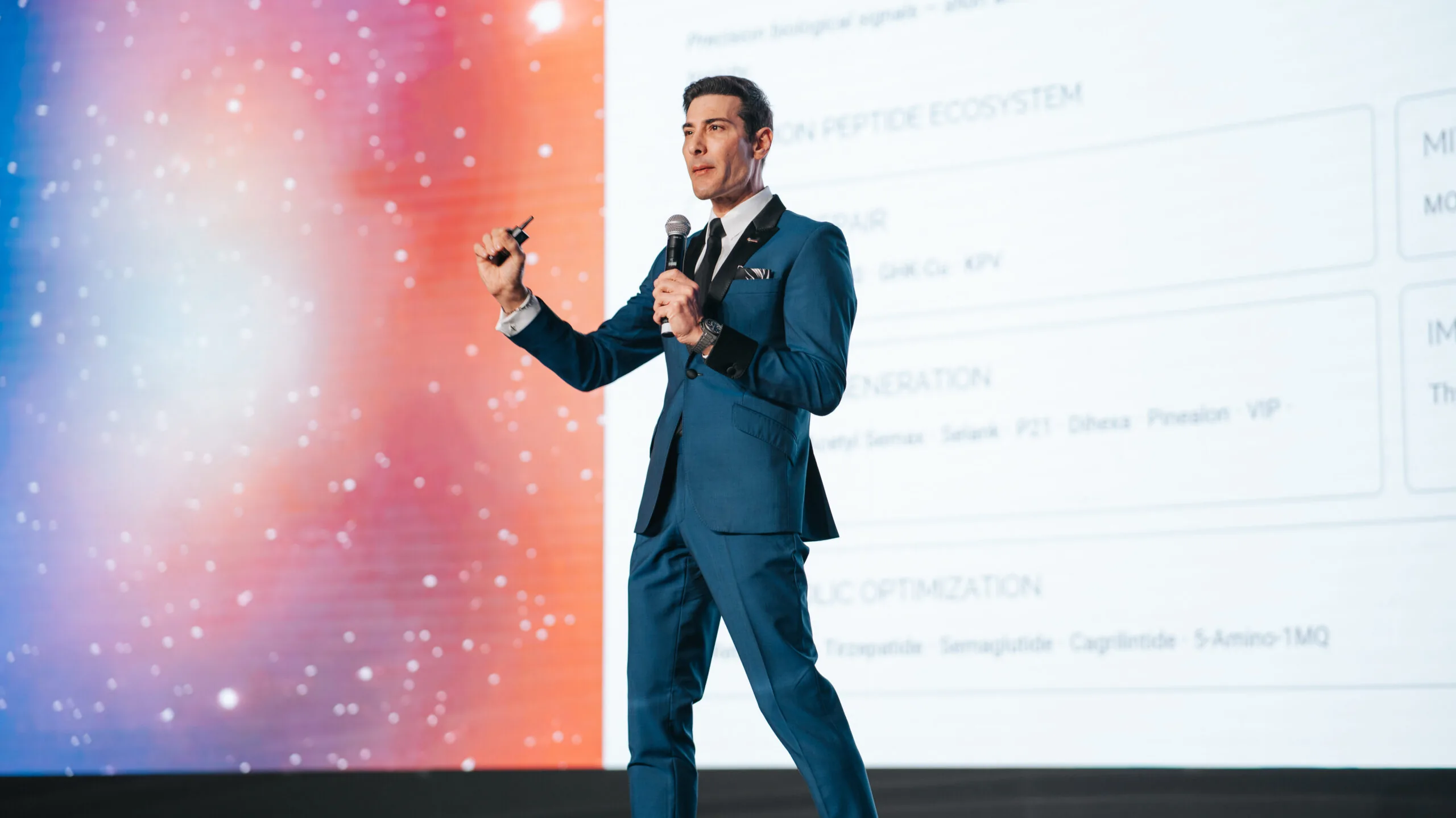
The two-day experience combines an international regenerative medicine conference with a dedicated physician training program focused on peptide mechanisms, clinical frameworks, and protocol development.
Hosted at Hilton Bogotá Corferias, the program offers licensed physicians an opportunity to deepen their understanding of this evolving area of medicine through structured education and direct engagement with the ISSCA academic community.
Why Advanced Education in Peptide Therapy Matters
Peptides are short chains of amino acids involved in numerous physiological processes, including cellular signaling, hormonal regulation, and immune responses.
Several peptide-based medicines have established clinical applications. At the same time, many compounds discussed in regenerative and longevity medicine remain investigational, with important differences in available evidence, regulatory approval, and documented safety.
For physicians, understanding these distinctions is essential.
Clinical education in peptide therapy must extend beyond recognizing individual compounds. It requires knowledge of receptor activity, pharmacokinetics, patient selection, contraindications, and the scientific rationale behind different therapeutic approaches.
ISSCA’s Advanced Peptide Therapy Certification in Bogotá approaches these subjects through a curriculum that connects molecular foundations with the complexities of clinical decision-making.
Exploring the Clinical Science Behind Therapeutic Peptides
The certification program covers eight specialized educational sessions, followed by a question-and-answer discussion and final conclusions.
The curriculum moves from fundamental biological mechanisms toward increasingly specialized areas of peptide research and clinical application.
From Molecular Mechanisms to Clinical Considerations
Participants will explore several major categories of therapeutic peptides, including:
- Peptide foundations: Mechanisms of action, cellular signaling pathways, receptor interactions, and physiological principles.
- Immunological peptides: Research involving immune modulation, inflammatory pathways, and potential clinical applications.
- Gastrointestinal health: Peptide-related mechanisms associated with mucosal integrity, intestinal regulation, and gut-immune interactions.
- Neuroendocrine function: Hormonal signaling, the hypothalamic-pituitary-adrenal axis, and metabolic regulation.
- Neuromodulatory peptides: Emerging research involving cognitive function, neurological pathways, and stress-related signaling.
- Metabolic peptides: Glucose regulation, weight management, and metabolic health.
- Sexual and reproductive health: Peptide signaling associated with hormonal and reproductive physiology.
- Regenerative and reparative peptides: Research involving musculoskeletal tissues, skin, and cellular repair mechanisms.
These topics provide a structured perspective on the diversity of peptide research while emphasizing the importance of evaluating clinical evidence and appropriate medical use.
Developing a More Structured Approach to Peptide Protocols
Understanding a peptide’s biological activity is only one part of evaluating its potential clinical relevance.
Physicians must also consider how therapeutic decisions are influenced by patient history, treatment objectives, dosing, administration routes, monitoring requirements, and potential interactions.
Clinical Reasoning, Safety, and Protocol Design
The ISSCA program addresses these considerations through educational frameworks involving:
- Therapeutic classifications and their biological targets.
- Patient selection and clinical assessment.
- Dosing principles, administration routes, and treatment planning.
- Contraindications and safety considerations.
- Combination strategies and the evaluation of potential interactions.
- Clinical case discussions and protocol development.
The curriculum also examines how complementary technologies, including hyperbaric oxygen therapy, photobiomodulation, and artificial intelligence-assisted diagnostics, are being discussed within integrative medical approaches.
Importantly, the educational value of these subjects lies in understanding both their potential applications and their limitations. Clinical implementation must always follow applicable regulations, accepted standards of care, and the evidence available for each intervention.
Beyond the lectures, participants will have access to ISSCA clinical educational materials, case-based resources, protocol documentation, and opportunities for discussion with the faculty.
Two Days of International Medical Education in Bogotá
The Advanced Peptide Therapy Certification forms part of ISSCA 128, a three-day medical education event taking place from November 27 to 29, 2026.
Enrollment in the peptide certification includes two distinct educational experiences.
November 27: International Regenerative Medicine Conference
The experience begins with a full day of scientific presentations exploring cellular therapies, exosome science, immune function, peptide medicine, and emerging technologies in regenerative healthcare.
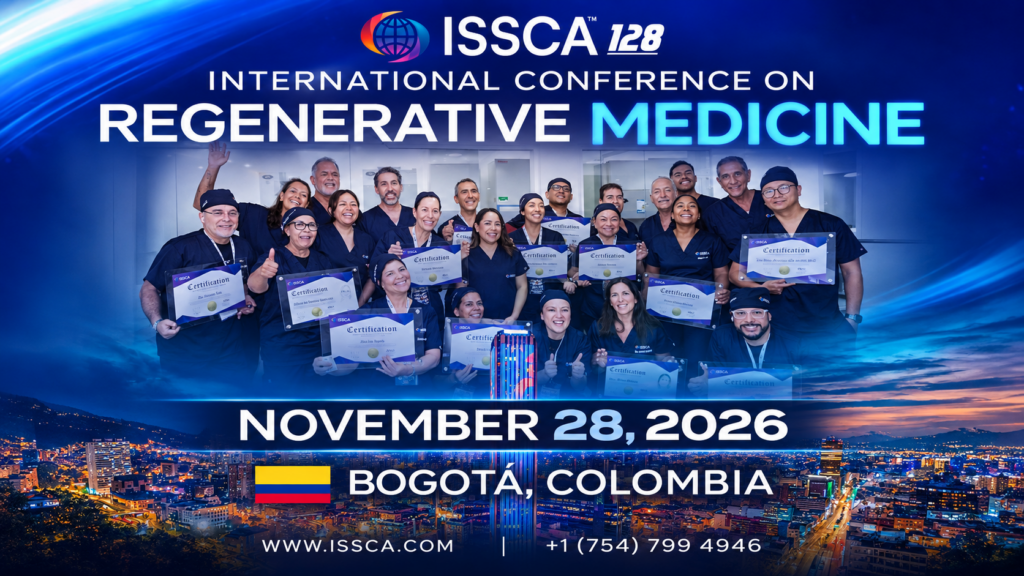
The conference offers physicians a broader scientific context for understanding how peptide research intersects with other areas of regenerative medicine.
That evening, participants will also have access to MedConnect, ISSCA’s international networking reception, beginning at 7:00 PM.
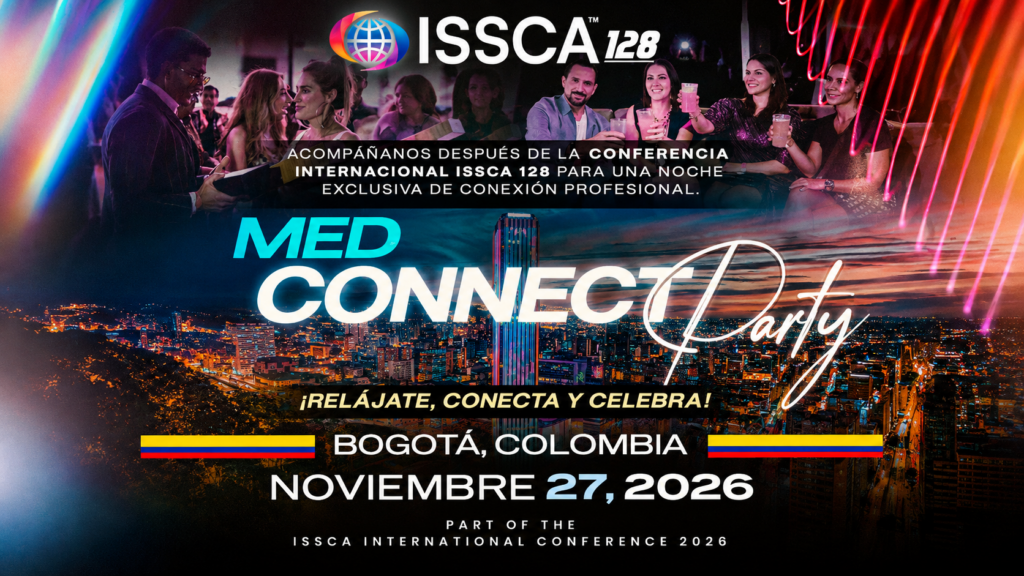
The gathering creates an opportunity to exchange professional experiences, meet members of the ISSCA community, and continue discussions beyond the conference sessions.
November 28: Advanced Peptide Therapy Certification
The second day is dedicated to advanced peptide education, from 9:00 AM to 5:00 PM at Hilton Bogotá Corferias.
Physicians will participate in the specialized curriculum, explore clinical frameworks, and engage in discussions about therapeutic applications, safety considerations, and protocol design.
The day concludes with a faculty Q&A session and certification activities.
One registration includes the November 27 international conference, MedConnect, and the November 28 Advanced Peptide Therapy Certification.
The November 29 Advanced Regenerative Medicine Certification is a separate program and is not included in this registration.
Continue Learning Through the ISSCA Educational Network
Medical education becomes more valuable when physicians can continue reviewing scientific concepts and learning from colleagues after an event.
ISSCA supports this process through its international physician community and educational resources.
Participants in the Bogotá certification program are expected to receive access to clinical learning materials, protocol resources, and post-certification educational opportunities outlined in the official program.
An Online Learning Option for Peptide Education
For professionals interested in additional theoretical education, ISSCA Academy also offers the Advanced Peptide Therapy Online Certification.
This self-paced program includes nine core modules, 52 lessons, and more than nine hours of educational content covering peptide mechanisms, therapeutic classifications, dosing frameworks, and clinical considerations.
The online certification provides an additional route for studying the science of peptide therapy, while the Bogotá program offers a distinct opportunity for in-person medical education, case discussions, and interaction with the international ISSCA community.
The two programs have separate enrollment processes.
Who Should Attend the Bogotá Certification?
The Advanced Peptide Therapy Certification is intended for licensed physicians seeking structured professional education in peptide science and related clinical considerations.
It may be particularly relevant to physicians working in, or exploring, fields such as:
- Regenerative and integrative medicine.
- Endocrinology and metabolic medicine.
- Sports and musculoskeletal medicine.
- Preventive and longevity-focused healthcare.
- Neurological and neuroendocrine health.
- General medicine with an interest in advanced therapeutic research.
Previous experience with peptide therapy is not required. The curriculum begins with foundational principles before progressing to advanced subjects.
The official ISSCA Advanced Peptide Therapy Certification credential is issued exclusively to licensed physicians who fulfill the program’s completion requirements. The credential represents educational achievement and does not independently authorize medical procedures or override local licensing regulations.
Join ISSCA’s Advanced Peptide Therapy Certification This November
For physicians interested in peptide therapy, access to structured scientific education is increasingly valuable as research, clinical applications, and regulatory discussions continue to develop.
ISSCA 128 Bogotá brings these subjects into a focused in-person learning environment, combining international scientific perspectives with specialized physician education.
The event is approaching, and the currently advertised registration offer is scheduled to end on November 16, 2026.
Event details
- Program: ISSCA Advanced Peptide Therapy Certification
- Dates: November 27–28, 2026
- Venue: Hilton Bogotá Corferias
- Location: Carrera 37 #24-9, Bogotá, Colombia
- November 27: International Regenerative Medicine Conference, 9:00 AM – 7:00 PM
- November 27: MedConnect, 7:00 PM
- November 28: Advanced Peptide Therapy Certification, 9:00 AM – 5:00 PM
- Certification eligibility: Licensed physicians
- Included: Conference access, MedConnect, specialized certification program, and educational resources
With the event taking place in just a few weeks, now is the time to finalize your participation in Bogotá.
Register for the Advanced Peptide Therapy Certification in Bogotá
Join ISSCA in Colombia for two days of scientific education, clinical discussion, and professional connections focused on the evolving field of peptide medicine.